Could look at how a given company alters its use of language over different mediums e.g. via social networking sites, to its official website, to posters, to TV adverts and how the language changes between healthy and unhealthy advertisements.
For example:
Healthy brand - Change for Life:
* Posters
* TV advert
* Official website
Unhealthy brand - McDonald's:
* Posters
* TV adverts
* Official website
Monday, 15 September 2014


Could look at how UNHEALTHY food is portrayed in adverts persuading you to buy the product versus adverts trying to convince you to not eat unhealthy (food warnings).
Food warnings...


Promotion of healthy foods...


Unhealthy adverts generally avoid any real detail about the product specifically - it focuses upon PUNS and slogans to turn attention away from the underlining fact that it is bad for you.
Unhealthy trying to portray a healthy image...


Unhealthy products have started to try and cater for the healthy, get fit social trend at present - to not loose customers but to gain new ones.
For instance - Coca Cola sponsored the Olympics
Food warnings...
Promotion of healthy foods...
Unhealthy adverts generally avoid any real detail about the product specifically - it focuses upon PUNS and slogans to turn attention away from the underlining fact that it is bad for you.
Unhealthy trying to portray a healthy image...
Unhealthy products have started to try and cater for the healthy, get fit social trend at present - to not loose customers but to gain new ones.
For instance - Coca Cola sponsored the Olympics
Thursday, 11 September 2014
What clues can you gather from this list of 50
words on how a baby might acquire language?
A
baby I believe would develop its use of language through imitation and
repetition of words that are used consistently for a specific meaning. The
routine of these words helps to build up the child’s vocabulary, developing the
child’s knowledge about the given language.
The
child will receive help from guardians and teachers, whose names are likely to
be learnt quickly due to the child having the ability to state who their talking
to whilst speaking to gain maximum
attention and clear direction of message – this would have been learnt through the
child observing and participating in conversations (learning the pragmatics). The
infant would also gain insight into language through the media. Many TV shows
aimed at the kids market target the aspect of ‘learning’ – this is done in a
fun, exciting way to make the audience want to learn. Sounds (like onomatopoeias)
are used to capture interest and to portray a subject in an easy, memorable form
e.g. woof woof = dog.
Whilst
studying the 50 words, I discovered that many imperatives have been used. Perhaps
this is because the child is at the holophrase stage - yet to develop its
language and sounds to form full sentences, so is using body language and
direct words to illustrate meaning. Monday, 8 September 2014
Potentially useful sites for my topic of advertising...
http://advertising.about.com/od/copywriting/a/The-10-Most-Powerful-Words-In-Advertising.htm
http://web.stanford.edu/class/linguist62n/
http://www.superdream.co.uk/best-advertising-slogans/
http://advertising.about.com/od/copywriting/a/The-10-Most-Powerful-Words-In-Advertising.htm
http://web.stanford.edu/class/linguist62n/
http://www.superdream.co.uk/best-advertising-slogans/
Wednesday, 3 September 2014
A2 Personal Investigation ideas...
I would like to investigate the language used within
advertisements, though the focal point hasn't been decided upon yet. I
have a few ideas I came up with whilst brainstorming...
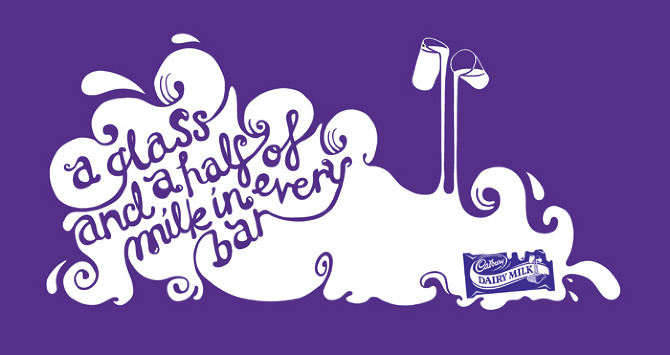
1.Look at how different
food groups use language to persuade you to buy it - e.g. fruit &
vegetables (healthy statistics) and chocolate (imagery of cosy, luxury,
delight)

2.How language varies
with different types of holidays


3.How language alters
with objects of different prices


4.How language changes throughout the seasons


5.How the same product
has been presented over a given period of time
Subscribe to:
Posts (Atom)